CAFÉ HOUSES
CAFÉ: Redefining Café Houses as unique European Cultural Heritage
We use arts for transformation in the area of cultural and natural heritage interpretation. We wish to step out from the well-known practices and find new, engaging ways to generate meaningful dialogue with professionals and the wider public about pressing issues such as the protection or revitalization of our cultural heritage in Hungary and Europe-wide, or the climate change and the importance of our environment. We are inspired by existing methodologies of other environments and actively encourage creative exploration.
Projects like Contested Desires: Constructive Dialogues (CDCD), LEAP – Legacy in Progress, and MANIFEST allow us to co-create artistic responses to the complex legacies of colonialism, rethink historical narratives, and open space for dialogue between communities, artists, and institutions. Through these projects we can deepen our commitment to social inclusion and memory work but also demonstrate how artistic practices can challenge systems of oppression, foster understanding, and create long-lasting impact.
Projects like Journey to the Beginnings, First Europe, and Vučedol Culture explore how ancient heritage can be reinterpreted through artistic and technological means. Journey to the Beginnings brought together archaeological sites, contemporary artists, and digital innovation to create festivals and immersive AR/VR experiences, connecting prehistoric cultures along the Danube with today’s audiences. First Europe focused on artistic reinterpretation of Lepenski Vir, using participatory methods like Opera Hackathons and residencies to explore themes such as human-environment relations and prehistoric rituals, fostering community engagement and cross-border collaboration.
Our project MUSE.ar and aMUSEment aims to create a platform that will help cultural institutions to work with their collections in an innovative way to co-create new narratives.
CREAMARE project focuses on promoting and presenting underwater cultural heritage in a unique way since underwater sites are not directly accessible to visitors like museums or archaeological parks. The presentation is realized virtually through a “Serious Game”, where players have the opportunity to discover underwater cultural heritage sites in a realistic 3D world environment.
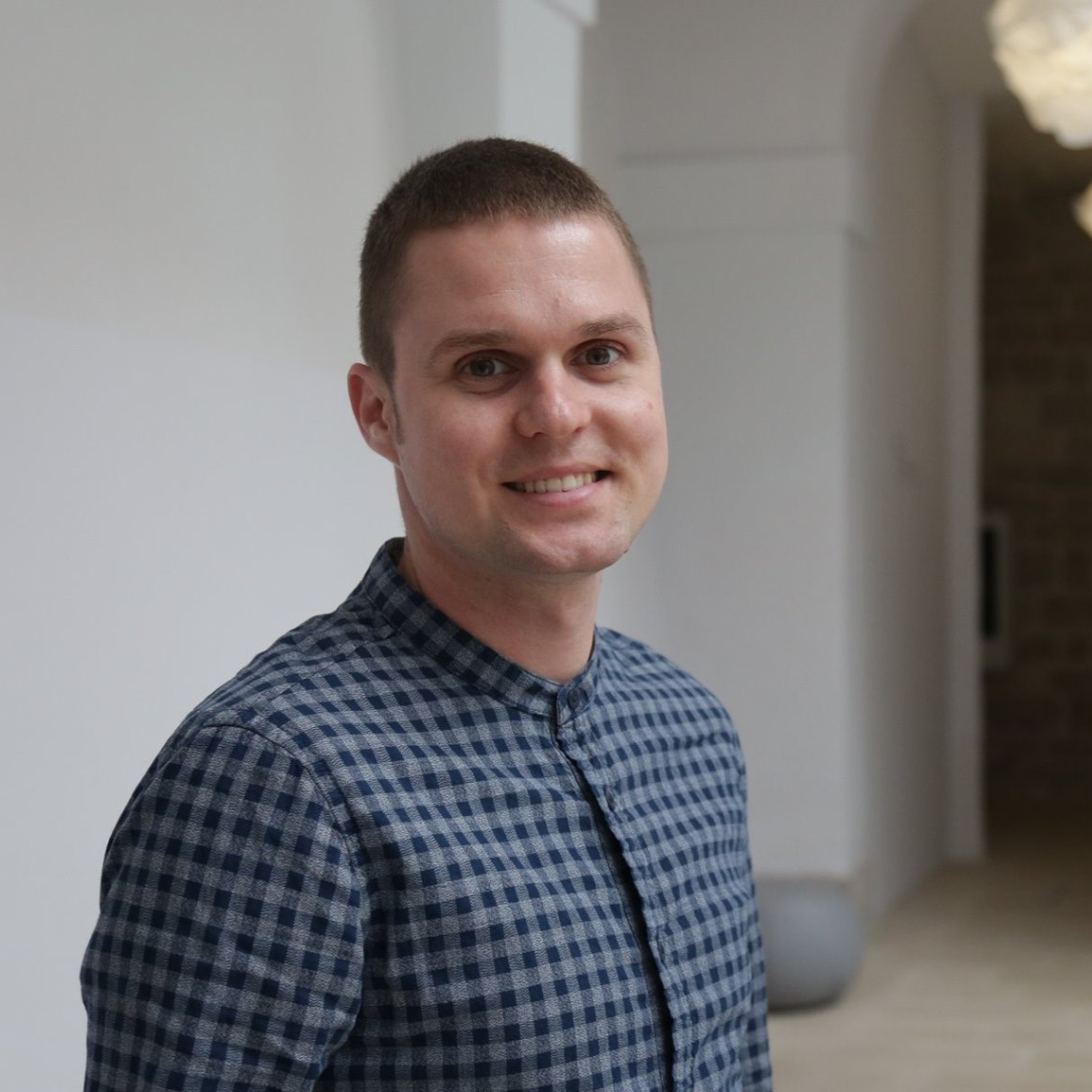
I am a project manager at Pro Progressione with a background in archaeology, history, and cultural heritage management. I have experience in curating exhibitions and writing publications on heritage interpretation, with a focus on community involvement. Previously, I managed projects related to 3D historical reconstructions, animated movies, and interactive content. Additionally, I enjoy organizing art and music festivals. I think cultural heritage has significant social advantages, as they strengthen the sense of belonging and local identity of communities. Therefore their utilisation should focus on keeping the heritage alive and accessible, as a heritage can only meaningfully exist in the present, where historical value can be matched with new functions. The biggest advantage of our cultural heritage is not about what we possess, but how it helps to identify who we are.
By profession, I am a visual art theorist; however, my diverse range of professional experiences collectively equip me to confidently dive into and navigate unfamiliar situations. I prepared to be a photographer, which laid the foundation for my unending curiosity about visual languages. During my studies, I immersed myself in social media management on behalf of the International Integral Conference (IEC) and the creation of virtual exhibitions. Additionally, I engaged in branding for gastronomic ventures, followed by working as a cultural manager at the Hungarian Association of Architects, where I organized numerous exhibitions and intergenerational roundtable discussions.
In the summer of 2023, I had the opportunity to serve as one of the organizers for the Balatorium, an ecological and cultural project linked to the European Capital of Culture, Veszprém.
In addition to my dedication to PP Cult’s activities, the role of a project manager presents the perfect opportunity for me to seamlessly translate my studies in art management, undertaken in Venice, into practical application.
From childhood I was always drawn to art and culture, which is why I started my career with a graphic design diploma. During my university years, I temporarily left my hometown in Transylvania and moved to Budapest to earn my bachelor’s and master’s degrees at the former Theory Institute of MOME, in the field of Design Culture and Design Theory. During the five years I spent at the university, I became familiar with the smaller and larger, and often more interesting, events and trends of the human-designed world, which has greatly shaped my current worldview. I consider it my mission to engage more people with my cultural activities and involve them in events that operate at the intersection of culture, art, and ecology. The topics that I am most fond of, based on my studies but also with deep interest in my daily life, are ecomuseums, the human-environment relationship, and rural socio-cultural life. I also enjoy curatorial work in the cultural and artistic field, dividing my time between Budapest and Székelyudvarhely. My work as a project assistant at PP Cult provides valuable experience in coordinating cultural projects and teamwork, developing my organizational and communication skills.
The Monasteries of Art. Public art as a means to enable new green and sustainable lifestyles.
LEAP is an innovative project with 4 project partners that aims to promote anti-racism and foster inclusive dialogue around the legacies of colonialism in contemporary Europe. Through a series events, LEAP will engage citizens, especially young people and those of African descent, in deconstructing harmful narratives and reimagining a more equitable future.
Europe’s artistic heritage is partly made up of artefacts from former colonies by means of war, plunder and misappropriation. Some collections have been built with the profits of colonialism, and increasingly to the public exploitation of this heritage for politically populist and nationalist discourse. With pressure from the grassroots pushing for a more democratic and egalitarian society, we have seen a strong public debate around issues related to the way in which our histories are edited and our heritage is presented, demands that are still valid today. From the removal of historic statues and proposals for new memorials, to demands for educational reform, the repatriation of looted artefacts and reparations; We are questioning the connection between past and present, questioning how national identities are forged and how systems and structures of oppression are upheld.
FIRST EUROPE aims to promote and celebrate European archaeological heritage with a special focus to the fascinating site of Lepenski Vir in Serbia, which formed one of the oldest settlements in Europe, hence the name of our project: FIRST EUROPE.
ECHO Academies, based on the experience of implementing “ECHO: European Cultural Heritage Onstage” and “ECHO II: Traditions in Transition”, addresses issues of visibility, networking, employability and opportunities to enter the art market for new European talents. For that purpose, it uses heritage as an inspirational tool, building on the values of the European and glocal perceptions of heritage.
The CREAMARE project aims to create a trans-national and cross-sectorial collaboration framework in which cultural organizations, scientific/research bodies, creative professionals, and technology experts co-produce CC applications and media contents to communicate, disseminate and promote Underwater Cultural Heritage (UCH). Simultaneously, the project is raising awareness about relevant social problems like pollution and other environmental threats that affect the oceans.
Funded by the European Commission under the Creative Europe Programme, MANIFEST: New artistic perspectives on memories of the transatlantic trade of enslaved people aims to contribute to and enhance the re-imagination of Europe’s collective memory of the transatlantic trade of enslaved people.
Journey to the Beginnings is a collaborative project involving prehistoric cultural heritage sites and museums, contemporary arts and new technologies to rediscover and promote the prehistoric cultural heritage of the ancient civilizations that lived along the river Danube.
MUSE.ar is an international project that connects cultural and creative sectors with the aim of bringing artists – and thus arts – closer to museum collections by trial a digital application. This tool will provide an opportunity for artists from different backgrounds to build their own narrative for museums and visitors, using a digital collection.
ECHO II is a European cultural project that aims to invite artists working in the fields of painting, sculpture, graphic design, fashion design, craftwork and mural to create original artworks inspired by the following selected local traditions:
Vučedol Culture – Touristic valorisation of common prehistoric heritage. A cross-border region where rivers connect, not divide.