Oulu Dance Hack 2024: Merging Art and Technology

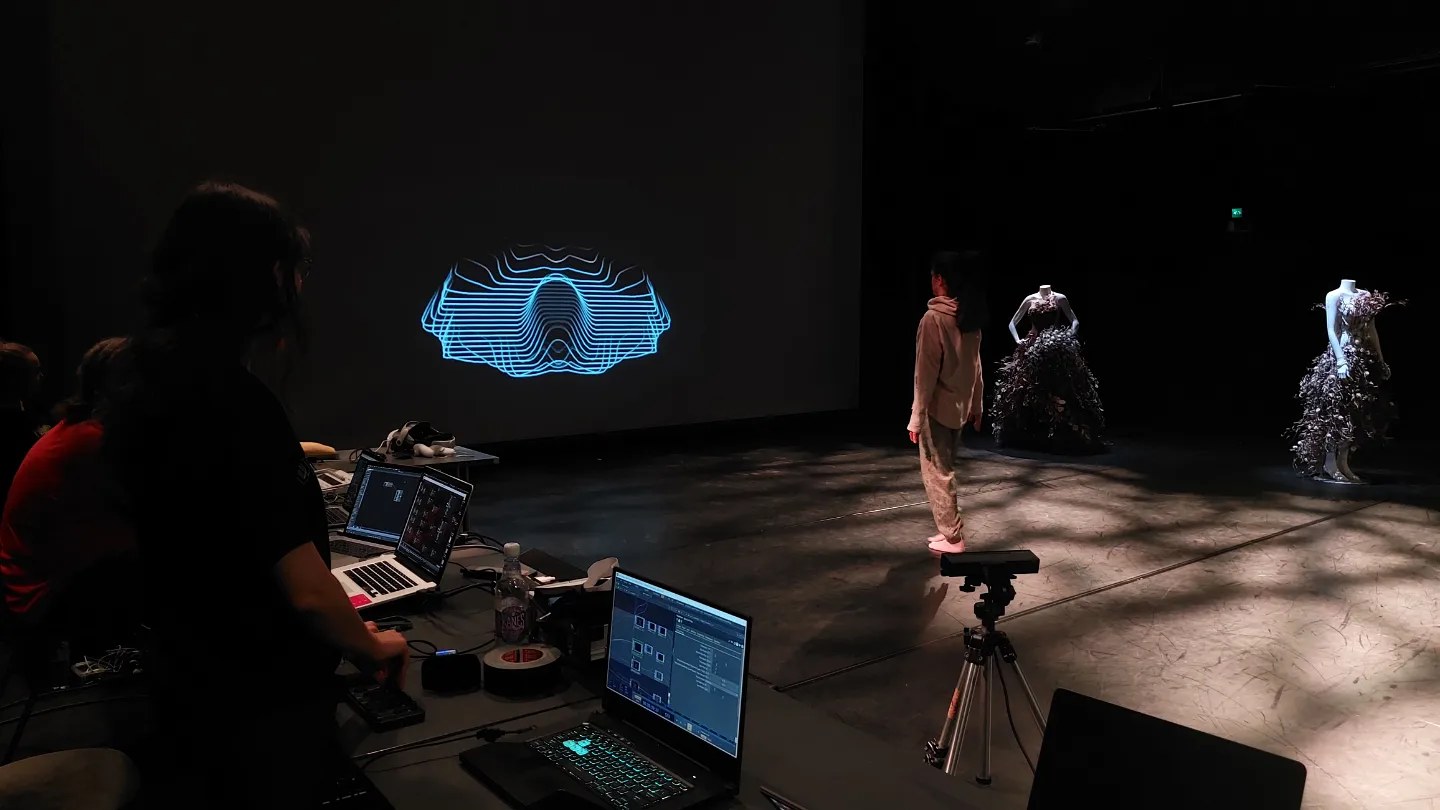
TaikaBox and Valve provided state-of-the-art technology, including movement sensors from Bosch Sensortec. Data transfer was made seamless with a custom app developed by Nextier. This technological integration allowed for precise and innovative performances, merging the physical and digital worlds.

An local florist, the Kanerva loaned two beautifully decorated manikins adorned with dried flowers. These manikins not only added an aesthetic dimension to the performances but were also integrated into the tech setup by creating 3D models linked to the movement sensors.

The backbone of the system was Isadora, which facilitated communication between movement, media, and sound. Acting as a data server, Isadora connected a table full of computers with the sound system and projectors, ensuring a harmonious blend of all elements involved in the performances.

Taking innovation a step further, the Dance Hack studio was represented in the Metaverse through the Finpeda Virtual Space. This allowed part of the audience to join the demo online from various countries.

Oulu Dance Hack 2024 was a testament to the power of collaboration between artists and technologists. It showcased how technology can enhance artistic expression, creating experiences that captivate both in-person and virtual audiences.

EU Dance Hack project continues with the Open Call for Budapest Dance Hack 2024 that takes place in November. Apply now to join the groundbreaking collaborations and mesmerizing performances!

Hope to see you in Budapest!

Climate Changer Premiere

Is climate catastrophe inevitable? The temperature of our planet is rising every year. What can we do to tackle climate change?

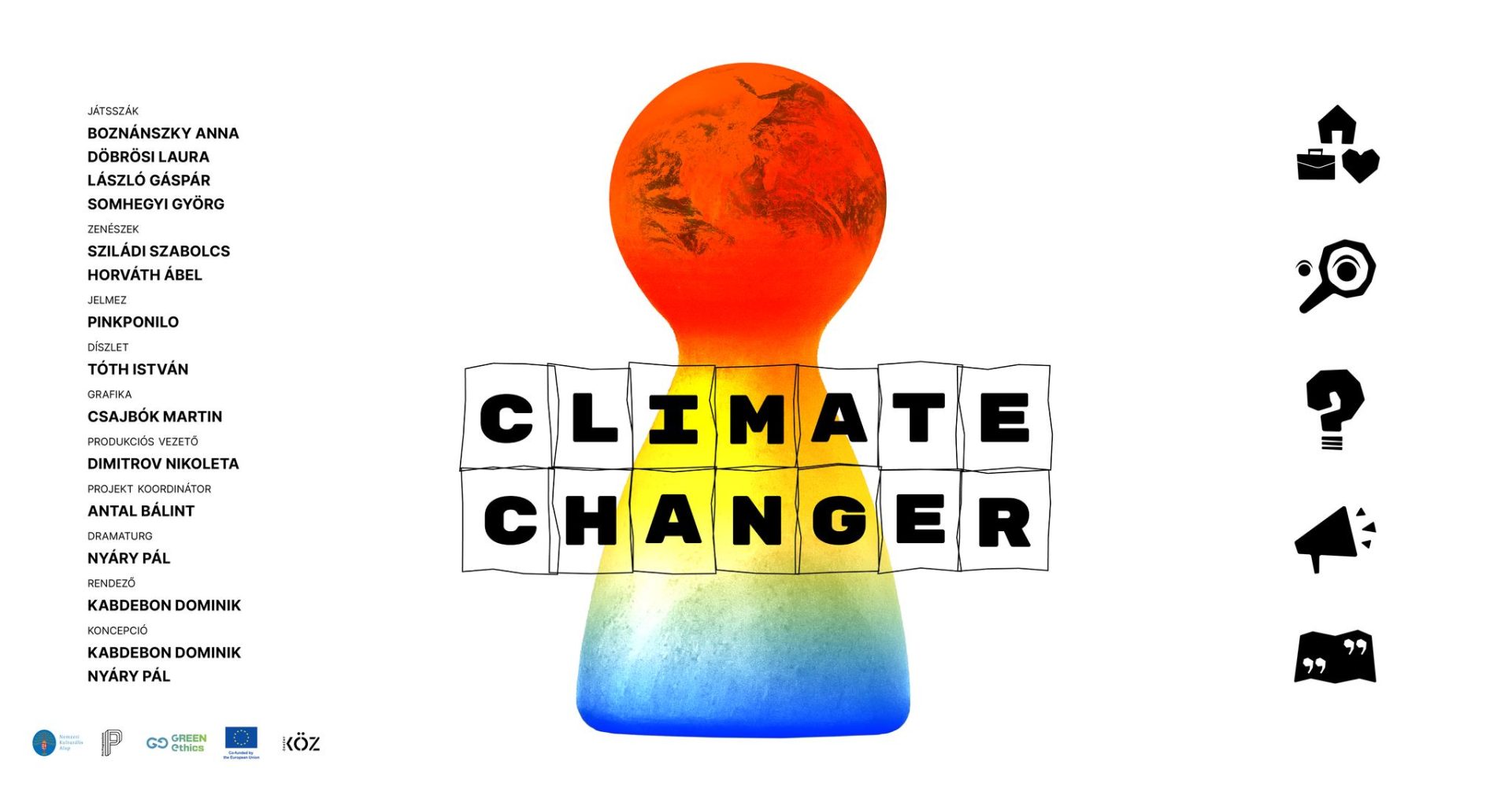
CLIMATE CHANGER is a theatrical board game with 25 panels that explore the pressing issues of climate and sustainability. Each station features a different scene and game, debating everyday dilemmas of sustainability, true stories and icons of green activism. At each step, teams collect points, but only by working together can they stop the planet’s temperature from rising.

Played by Anna Boznánszky, Laura Döbrösi, Gáspár László, György Somhegyi
Musicians: Szabolcs Sziládi, Ábel Horváth
Costume: pinkponilo – Anna Kudron
Set design: István Tóth
Graphic design: Martin Csajbók
Production Manager: Dimitrov Nikoleta
Project coordinator: Bálint Antal
Consultant: Erzsébet Pados (Greenpeace)
Dramaturg: Pál Nyáry
Director: Dominik Kabdebon
Concept by Dominik Kabdebon, Pál Nyáry


Special thanks to the members of the KAPTÁR youth programme of the Örkény Theatre (Katica Bedő, Sára Bozóki, Johanna Gregorich, Lilla Kecskeméti, Daniella Martin, Erina Sajtos, Orsolya Simon, Dodó Szabó).


The performance lasts 90-120 minutes without intermission.

Premiere date: 5 June 2024, 19:00


The performance is free of charge, but registration is required.

The European Journey of Teatro a Pedali

To achieve this goal, each partner must respect a Green Protocol that includes various actions to recycle, reuse, and conserve resources. The most important innovation for reaching a sustainable theatre experience is Teatro a Pedali. It’s an innovative format that allows for zero-impact live performances thanks to a system of bicycles connected to a battery storage system. In addition to being environmentally friendly, Teatro a Pedali is also a fun and interactive experience. The audience is encouraged to pedal before and during the show, generating the electricity needed to power the stage lights and sound system. This makes the audience a part of the show in a way that is not possible in traditional theatres.

Each Green E.Th.I.Cs partner has received bicycles from Mulino ad Arte, the partner who invented this innovative format. The Mulino ad Arte team has traveled to each partner in their countries, presenting performances to demonstrate to the audience how Teatro a Pedali works and why it’s so important to conserve energy, facilitate alternative sources of energy, and more generally, to motivate people to reuse, recycle, and avoid unnecessary waste.

As an important stage in the rehearsal process of our Climate Changer performance, ÖrkényKöz also hosted Teatro a pedal workshop. A big thank you to everyone who joined us! Let’s pedal towards a greener future together!

You can read the Green E.Th.I.Cs’s whole newsletter by clicking on the link below: ENG_Junio- NEWSLETTER GREEN ETHICS-PT

You can subscribe GE’s Newsletter here: https://greenethics.eu/contact

Promoters Gear Up for Professional Growth

The collaborative work kicked off with initial online interactions, fostering camaraderie among promoters and acquainting them with the phases of the project but also provided a platform for sharing experiences, practical advices and identify the target audiences too. As the project progresses, the focus shifts to equipping promoters with the knowledge and skills needed to excel in their roles. Through webinars and face-to-face meetings, participants are gaining invaluable insights into best practices and effective strategies for cultural development. Key figures such as Márton Beke, a sociologist, and Balázs Simon, a theatre director, are guiding them on this journey, sharing expertise on artist selection processes and local cultural planning.
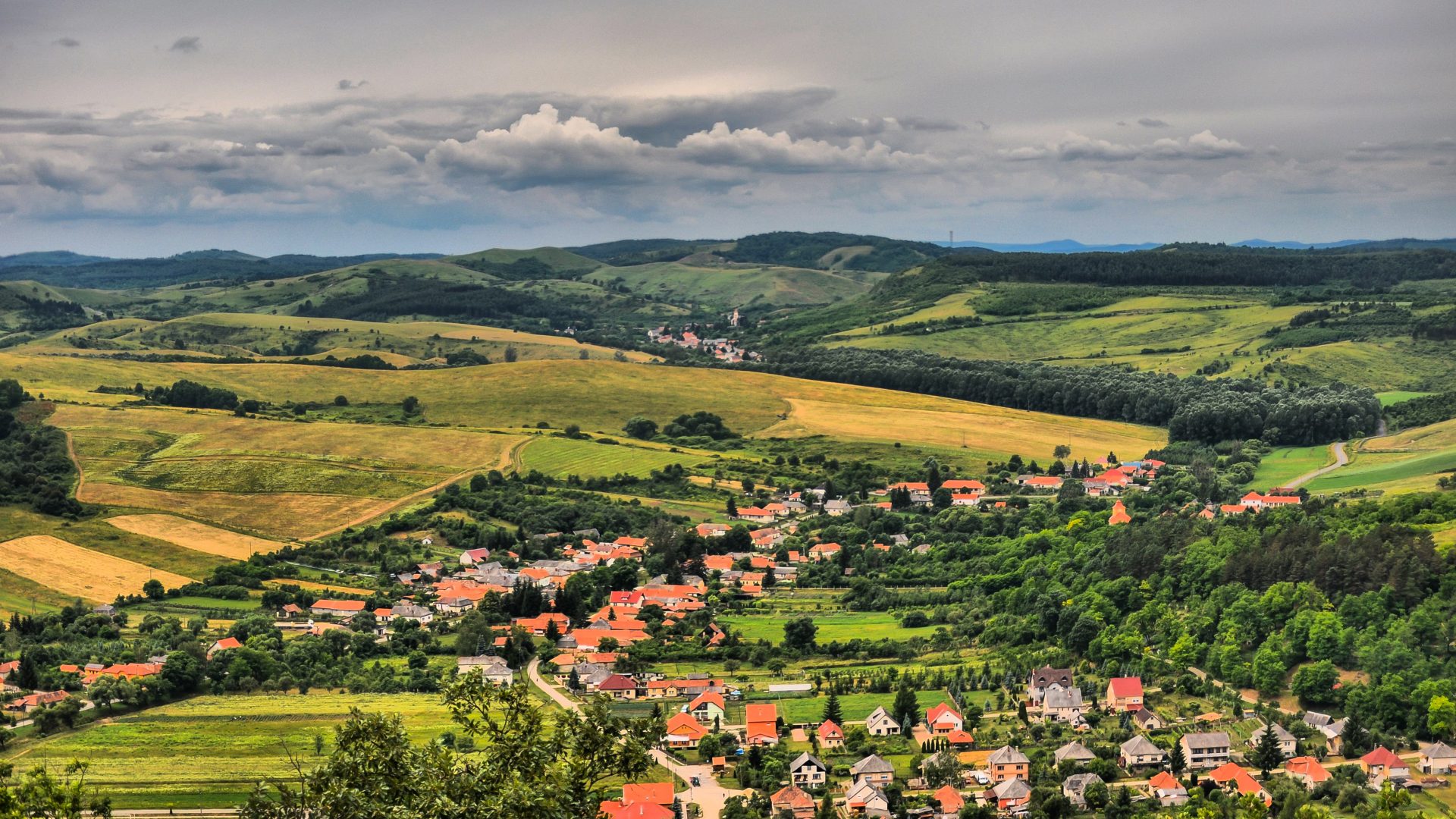
Looking ahead, the goal is clear: to empower Hungarian rural areas through meticulous planning and targeted engagement with local communities. The Sparse Plus project is paving the way for sustainable cultural development that enriching the cultural landscape of their communities.

Young Artists from Europe Collaborate in Sweden

Luna Navarro Hopferwieser for Residui Teatro, Maria Zisi for Technical University of Crete, Andromachi Kapoula for Omma Studio, Maria-Angela Angiuli for FECE (Foundation for Entrepreneurship, Culture and Education) Bulgaria, Bruna de Oliveira for University of Évora,
Siria Renaudo for SCT Centre, Teresa Rosso for Mulino ad Arte, Valeriia Kopytchuk for Studio 7, Schwerte, Mina Stojakovic for ZID Theater, Margherita Airaghi for Polodel900, Martin for Pro Progressione, Gustavs Letinskis for ZIP, Dunja Sambo for NJEGOS, Petar Jovanovic for
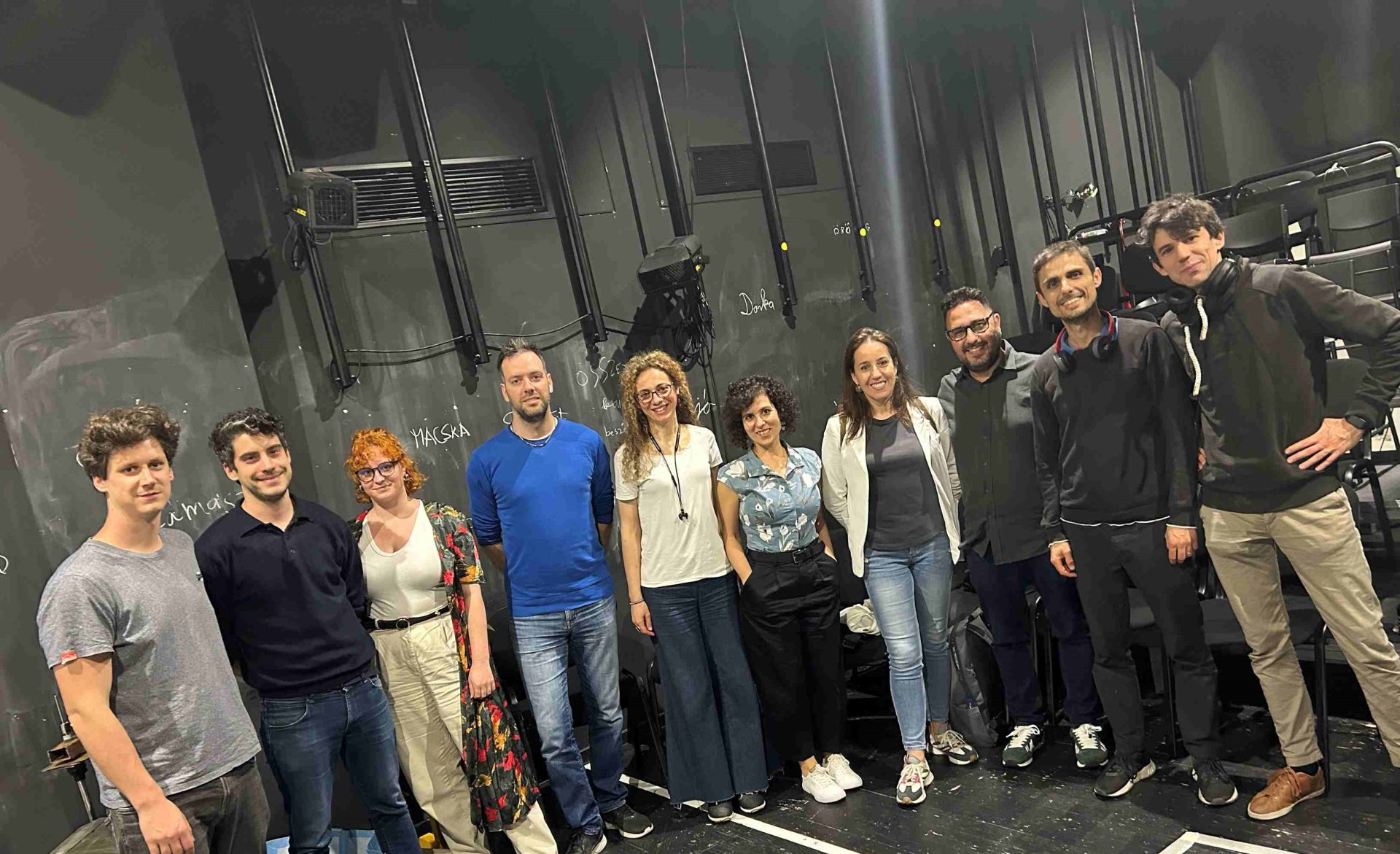
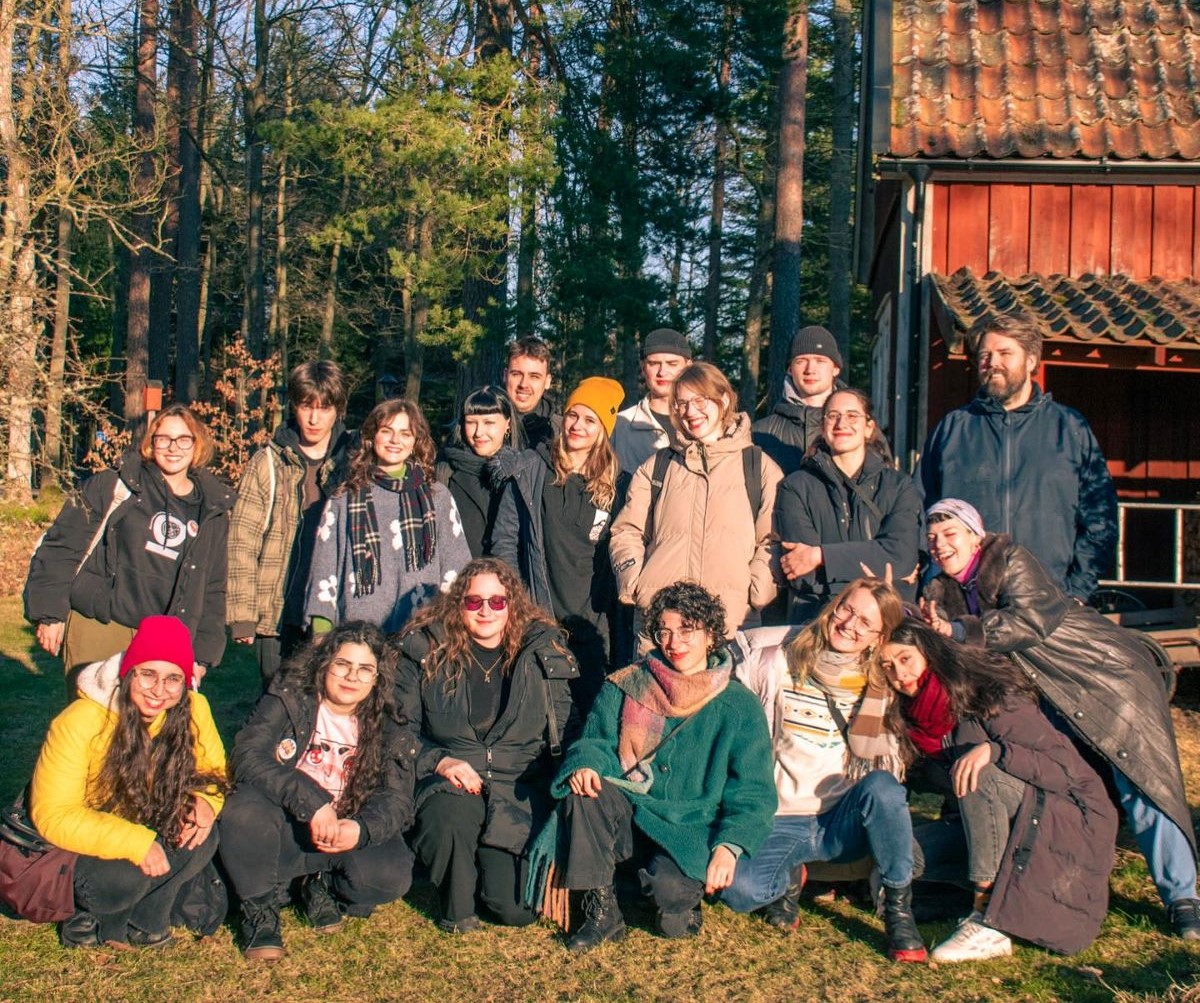
NÉPKÖR, Beatriz Machado for ASTA, and Karolina Pańczuk for Teatr Brama left their countries to participate in this creative meeting. Hosted in a beautiful environment amidst nature, they stayed in amazing wooden cabins. Vincent Olivemark from Caprifolen, one of the hosts and collaborators with the young artists, answered some questions and explained the experience and its results.

Vincent, could you tell us about the different stages of your meeting?
From March 2nd to 8th, 2024, artists gathered in Sweden for a dynamic and creative meeting. Guided by Caprifolen, participants engaged in a series of workshops, individual projects, and cultural activities, all aimed at fostering community and artistic growth. The goal for each participant was to create unique drawings for squares that will be used in a future game. The meeting began with introductions, ice-breaking games, and self-portrait activities. Participants then delved into workshops inspired by a Swedish film (The Triangle of Sadness), visited Teckningsmuset for a museum tour and art workshops, and explored drawing techniques. Midweek activities included vaulting with horses, nature walks, and a sculpting session inspired by environmental themes. The week also featured a private pinball party and various sessions of individual work and feedback. The event concluded with presentations for all project partners and a celebratory dinner, marking a collaborative and inspiring experience for all.

What discussions took place on the first day?
On the first day, discussions focused on fostering a supportive and non-competitive environment, encouraging participants to share their artistic journeys and aspirations. Leaders emphasized the importance of collaboration, creativity, and mutual encouragement, setting a positive tone for the week.

What methodology did you follow to work together?

  • Experiential Learning: We focused on learning through experience and reflection. Participants engaged in hands-on activities like selfportrait creation, drawing techniques, and sculpting during nature walks, allowing them to learn by doing. The museum visit and art workshop provided practical, immersive experiences, while vaulting with horses connected physical movement with creative thinking.
  • Collaborative Learning: We emphasized working together to achieve common goals, fostering a sense of community and shared purpose. Group discussions and ice-breaking games helped build trust and good relationships, creating a supportive environment. Activities like the nature walk sculpting session encouraged teamwork, and feedback sessions allowed participants to learn from each other and improve their work through collaborative input.
  • Project-Based Learning: We involved participants in long-term projects to develop a deeper understanding of the subject matter. Each participant’s goal was to create unique drawings for game squares, with a theme of green thinking, requiring planning, execution, and presentation. Presenting their ideas and progress helped refine their work through feedback, and final presentations showcased their artistic growth, reflecting the iterative process of project-based learning.

Did you choose an image idea to develop together?
Each image presented at the end was uniquely created by each participant, maintaining their individual styles while adhering to a cohesive theme. To ensure a unified look, we provided a color board that everyone worked from, creating a “red thread” that tied all the pieces together. We emphasized the importance of encouraging each artist’s unique style, seeking creativity and diversity in their contributions.

How was the interaction process between the youth artists and with other people?
The result was 18 incredible images, each handcrafted by the participants and refined over the week. These artworks, unified by a shared color board and the theme of green thinking, showcased the unique style and creativity of each artist. Beyond the artistic achievements, the camp fostered significant personal growth and community building. Participants formed strong friendships and connections, creating in a supportive, non-competitive environment. Many artists not only enhanced their skills but also found new lifelong friends, making the experience enriching on both a personal and creative level.


You can read the whole newsletter by clicking on the link below: ENG_Junio- NEWSLETTER GREEN ETHICS-PT

You can subscribe Green E.Th.I.Cs Newsletter here: https://greenethics.eu/contact

CLICA – Environment & Art – Third workshop

The third workshop will focus on how the climate and ecological crisis will affect our lives. How fast are these changes happening? Will we know our world, the Carpathian Basin and of course Hungary in a few decades and how can we prepare for the changed situation? We will try to answer these questions together, with the help of András Perger, Greenpeace staff member, and Lilla Kizlinger, independent filmmaker and actor.

Find out more about our event: CLICA – Környezetvédelmi & művészeti workshop, 3. alkalom

You can register at the following link: https://forms.gle/uzyFg9Y8GJe51dKR8

If you would like to join our international online community, you can do so at this link: https://youngclimatecampaigners.com/register/

You can read the open call for the project here: https://proprogressione.com/hir/felhivas-clica/

Please note that the event will be held in Hungarian.

If you have any questions, feel free to contact us at antal.balint@proprogressione.com

Image source: imagine.art

The CLICA project is co-funded by the the Erasmus+ Programme of the European Union.

CLICA – Environment & Art – Second workshop

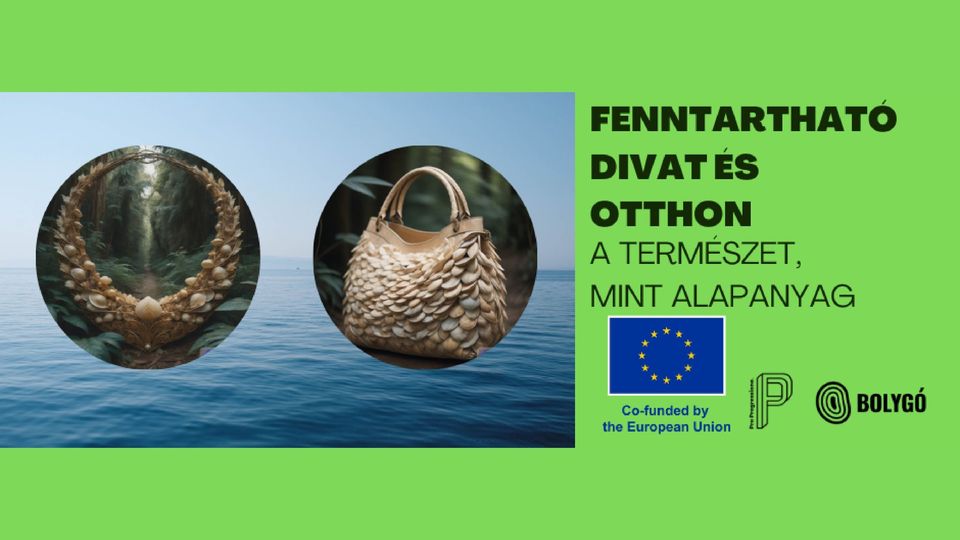
The second workshop is about creating with nature’s materials, using the materials around us for artistic and other creative purposes. Fruzsina Iszáj and Kinga Tamási will help us in this process, and together we will make bags and jewellery from shells and various 3D printed materials.

Find out more about our event: CLICA – Környezetvédelmi & művészeti workshop, 2. alkalom

You can register at the following link: https://forms.gle/uzyFg9Y8GJe51dKR8

If you would like to join our international online community, you can do so at this link: https://youngclimatecampaigners.com/register/

You can read the open call for the project here: https://proprogressione.com/hir/felhivas-clica/

Find out more about our event: https://fb.me/e/41rTedbNA

Please note that the event will be held in Hungarian.

If you have any questions, feel free to contact us at antal.balint@proprogressione.com

The CLICA project is co-funded by the the Erasmus+ Programme of the European Union.

CLICA – Environment & Art – First workshop

The project managers of our Green pillar, Máté Tenke and Bálint Antal, will tell you more about the project. After that, the participants can take part in a guided tour with Bettina Bence, the museum educator of the Ludwig Museum and the facilitator of the CLICA project.

Participation is free, but registration is required: https://forms.gle/RvwBegZhuwmrTsVU8

If you would like to join our international online community, you can do so at this link: https://youngclimatecampaigners.com/register/

You can read the open call for the project here: https://proprogressione.com/hir/felhivas-clica/

Find out more about our event: https://fb.me/e/41rTedbNA

Please note that the event will be held in Hungarian.

If you have any questions, feel free to contact us at antal.balint@proprogressione.com

The CLICA project is co-funded by the the Erasmus+ Programme of the European Union.