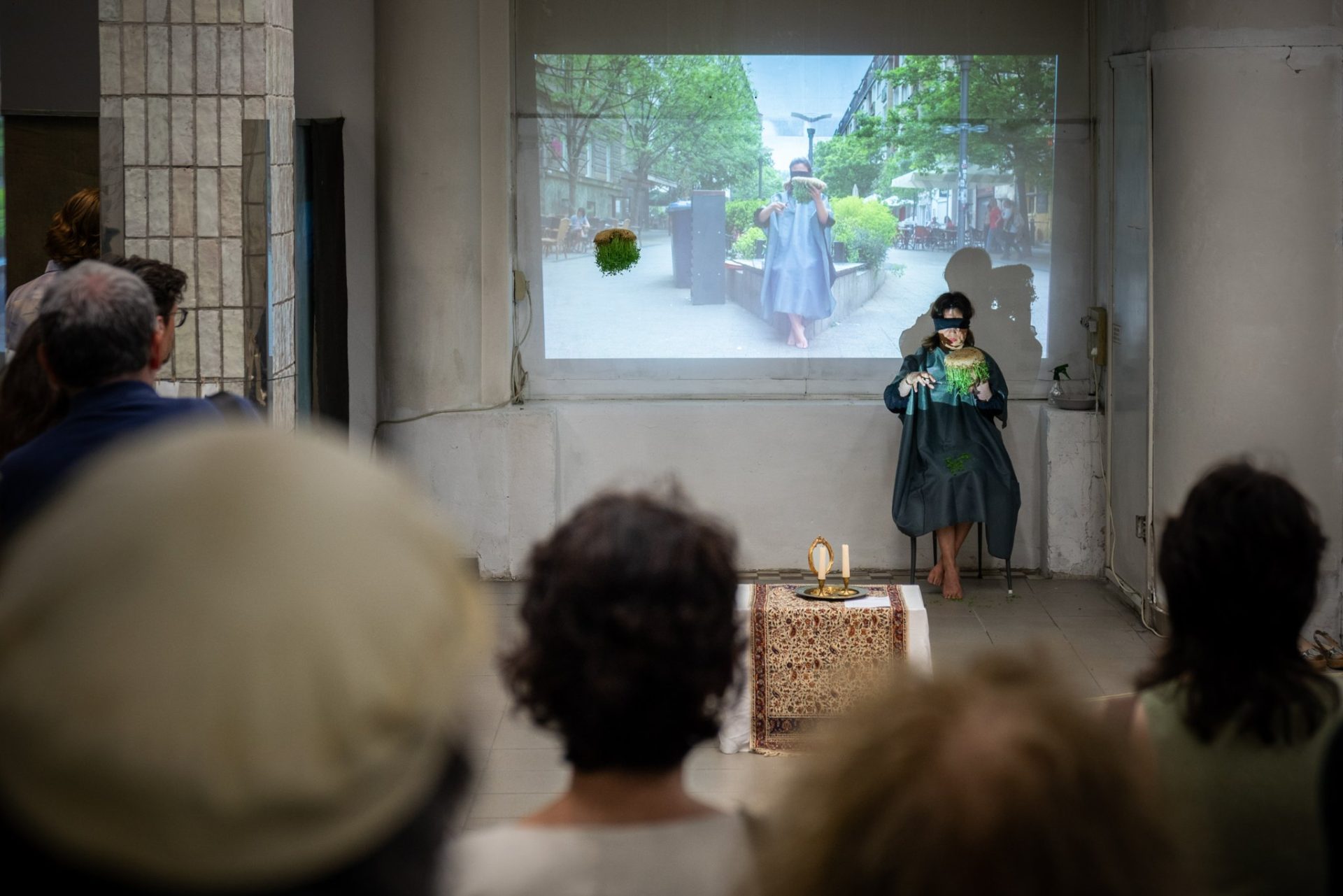
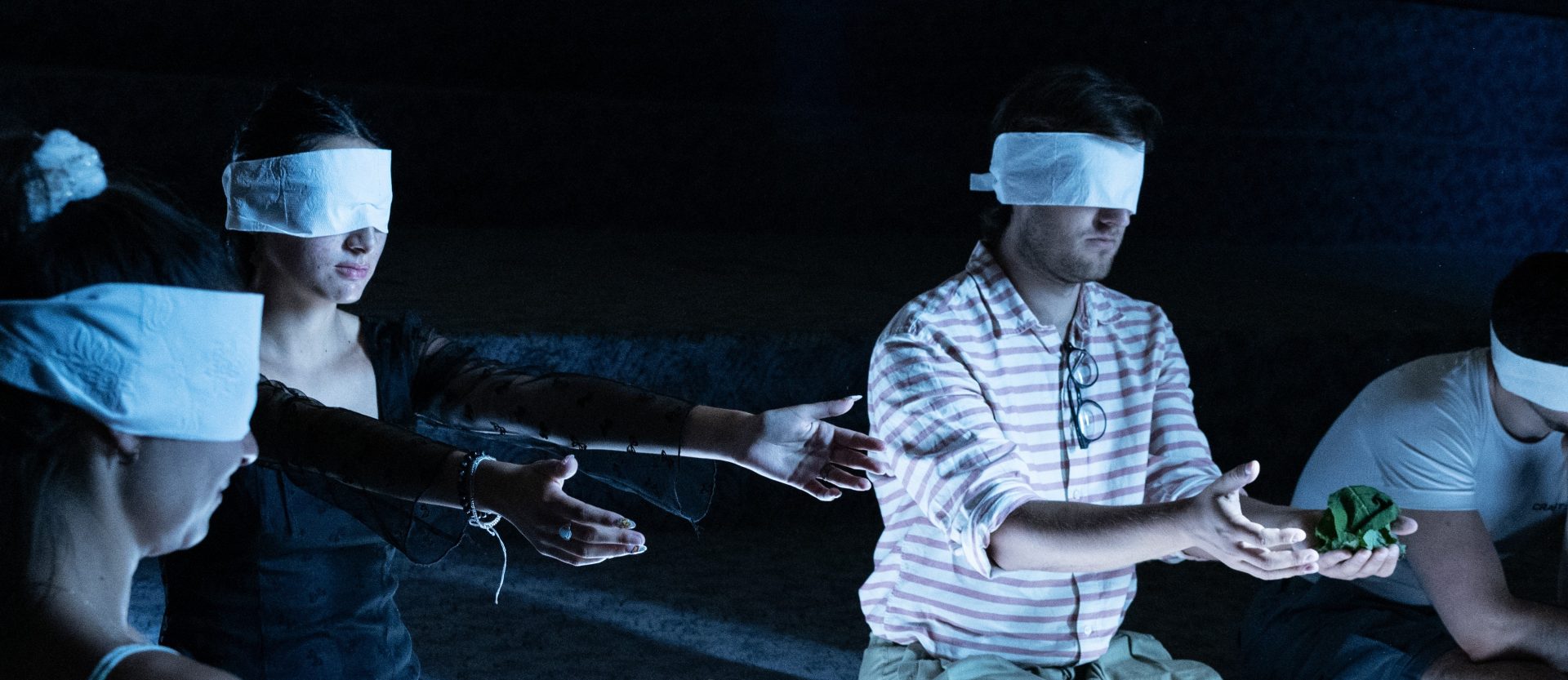
Don’t Endure This – The Song of Firedamp Performative workshop with visual artist Dorottya Szonja Koltay

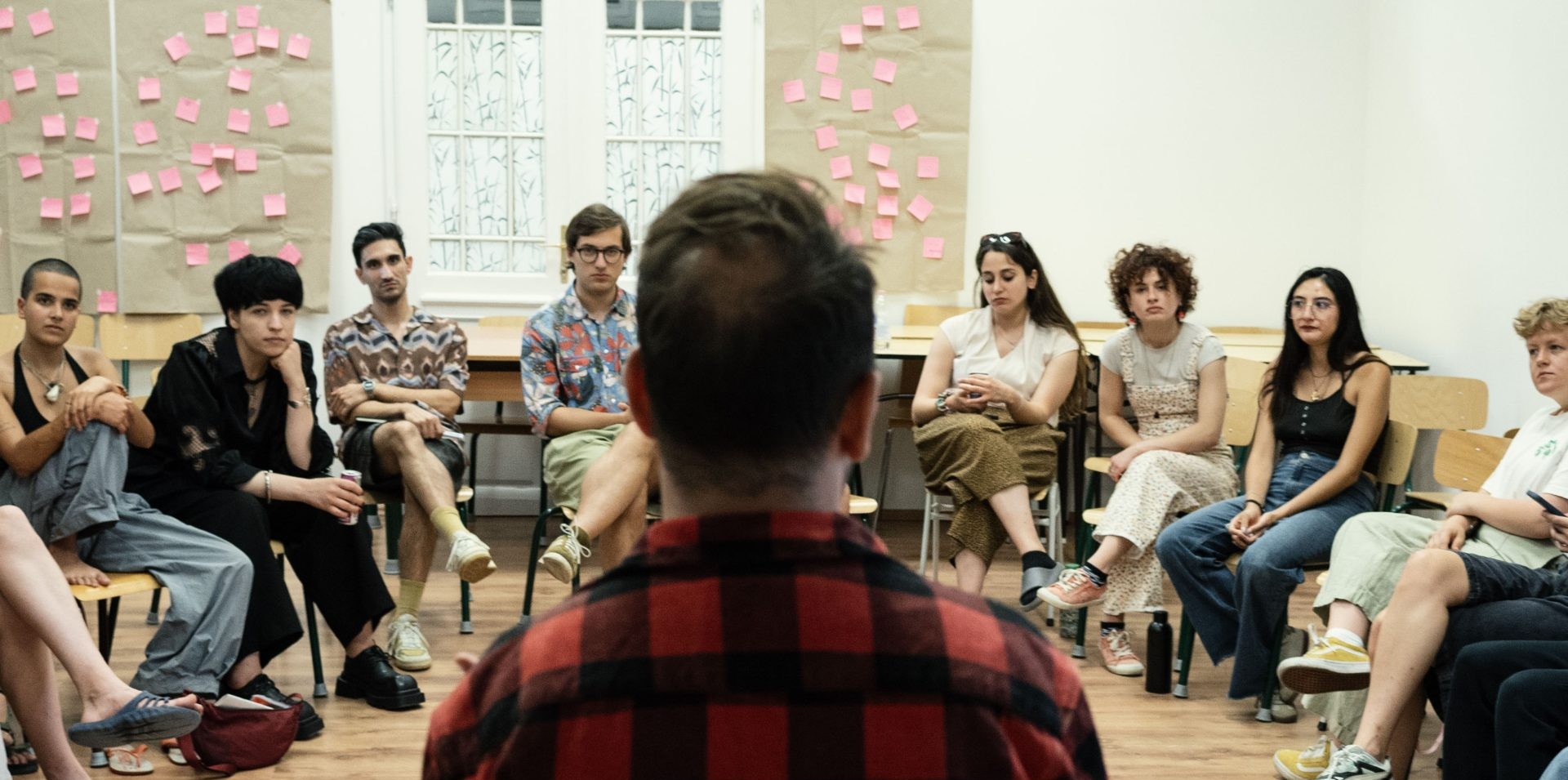
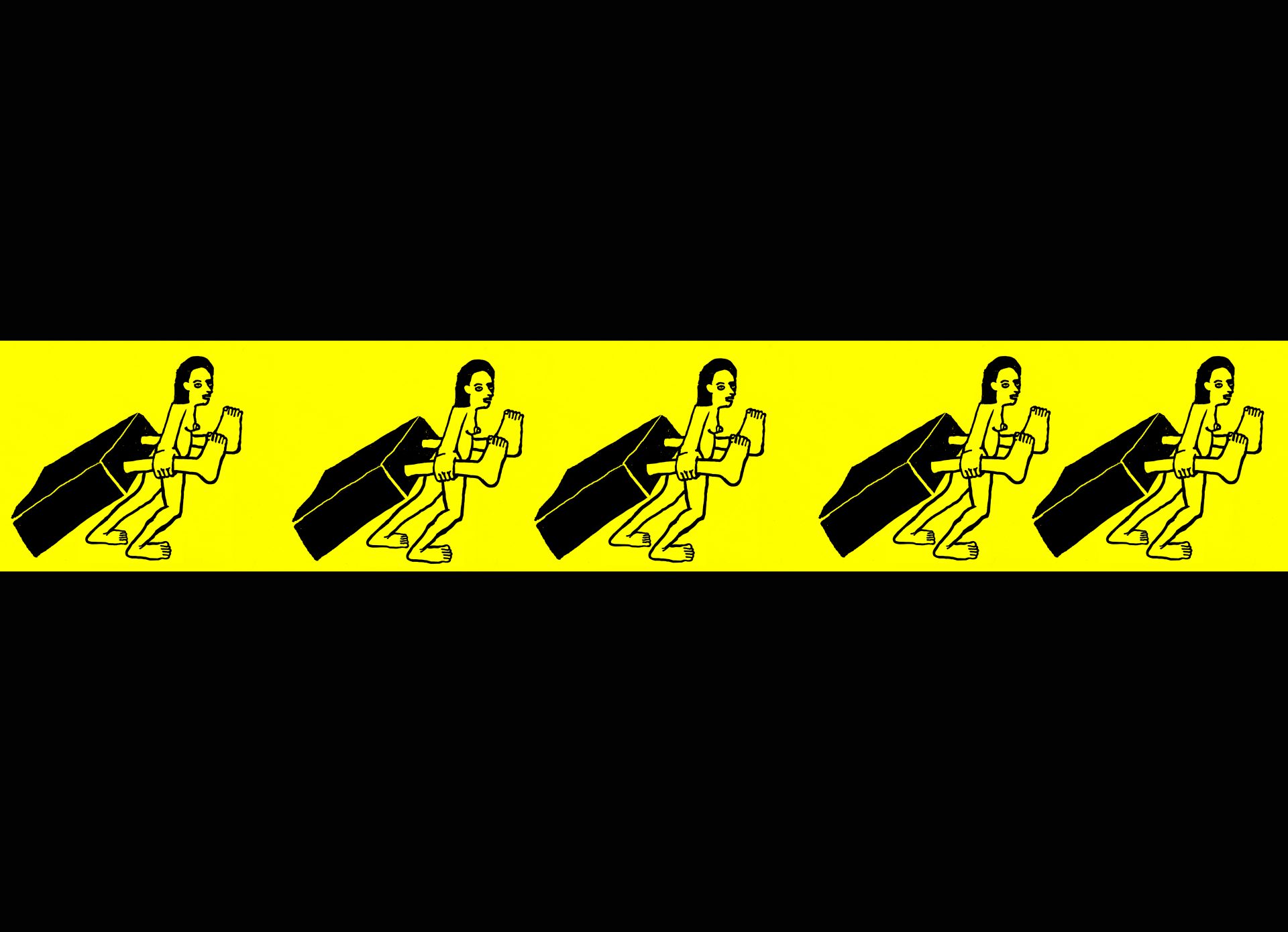
The event combines performance and workshop, and takes place as part of the Border Situations exhibition. In its first part, it offers positions of spectatorship, while in the second part it opens up the possibility of participation. Through various artistic practices, we will explore the experience of carrying burdens together as a group. We will also ask: Where have we exceeded our capacity to endure, and what is it that we should no longer have to bear?

Koltay Szonja 36 Másolat

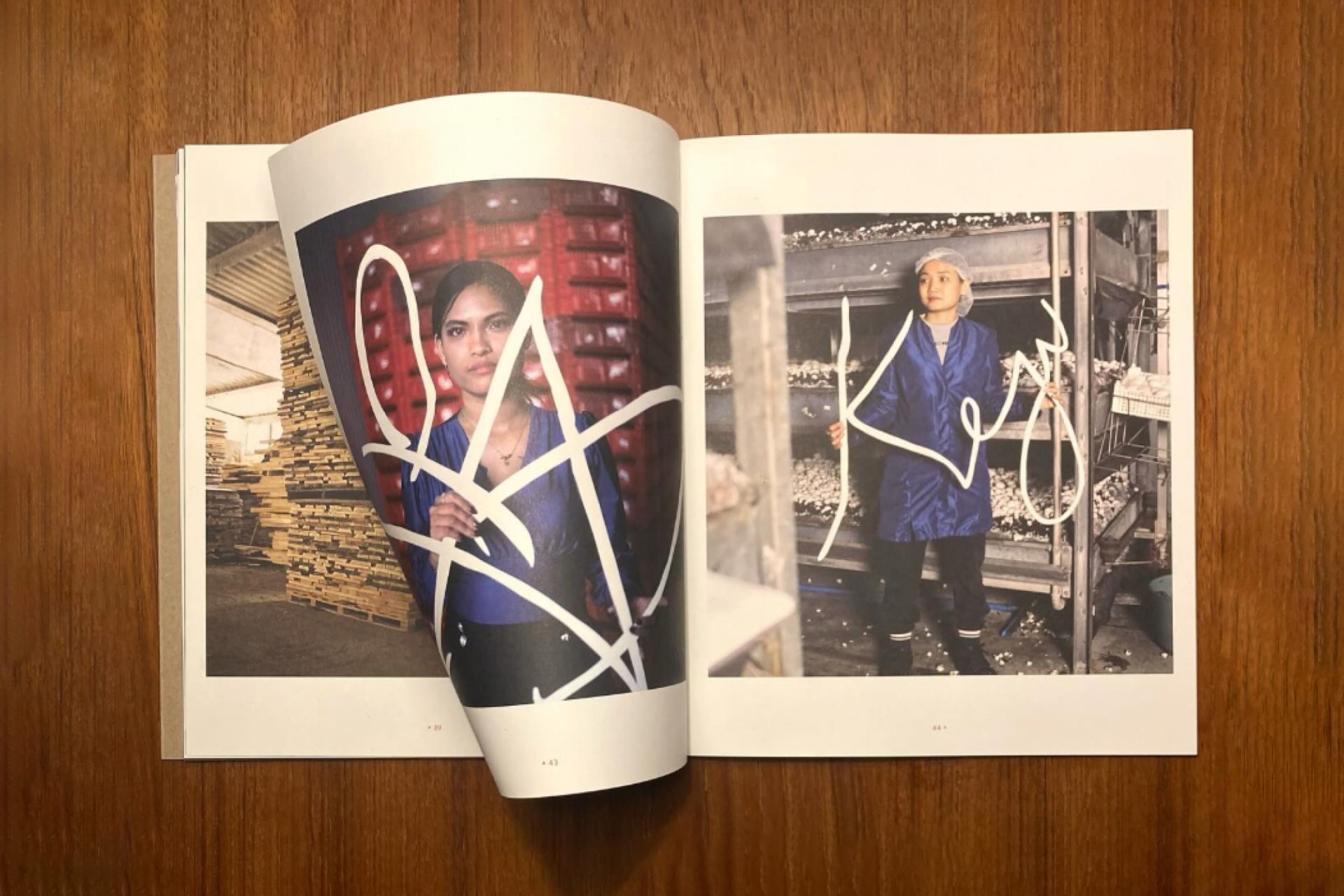
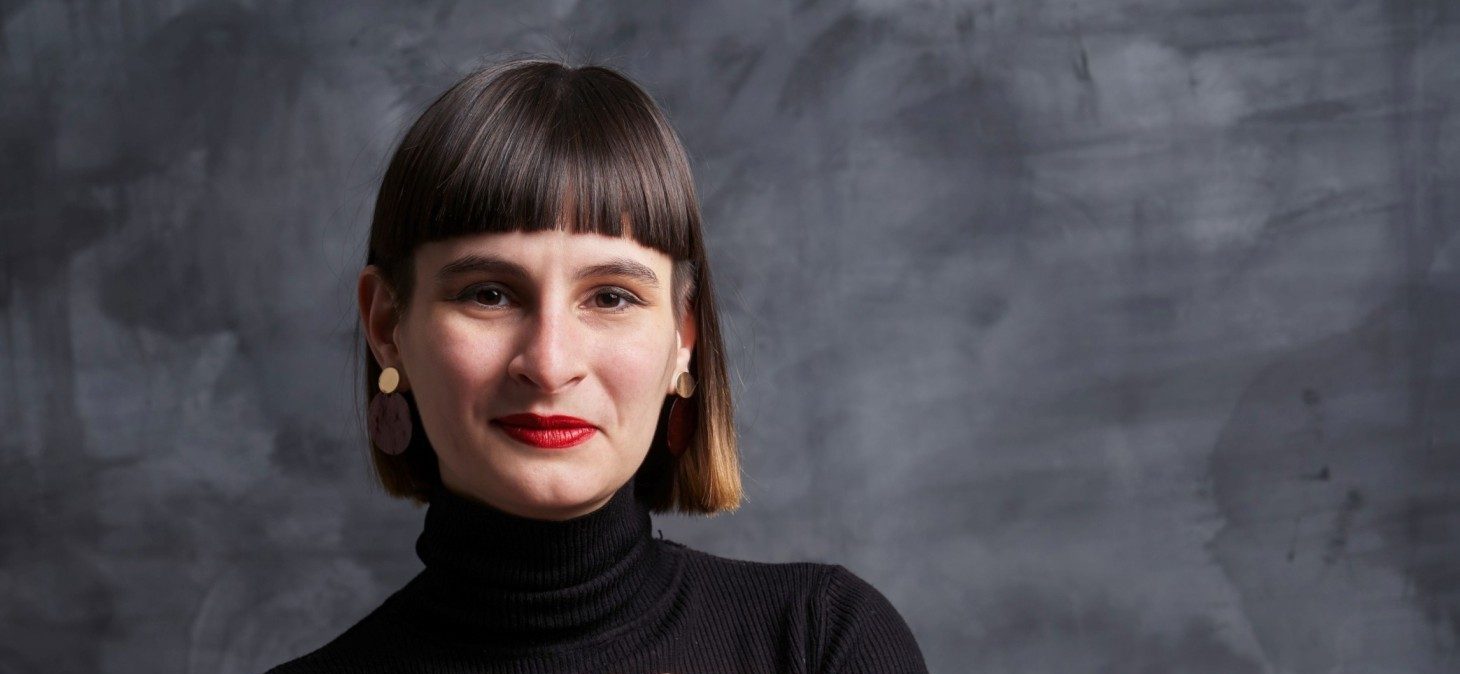
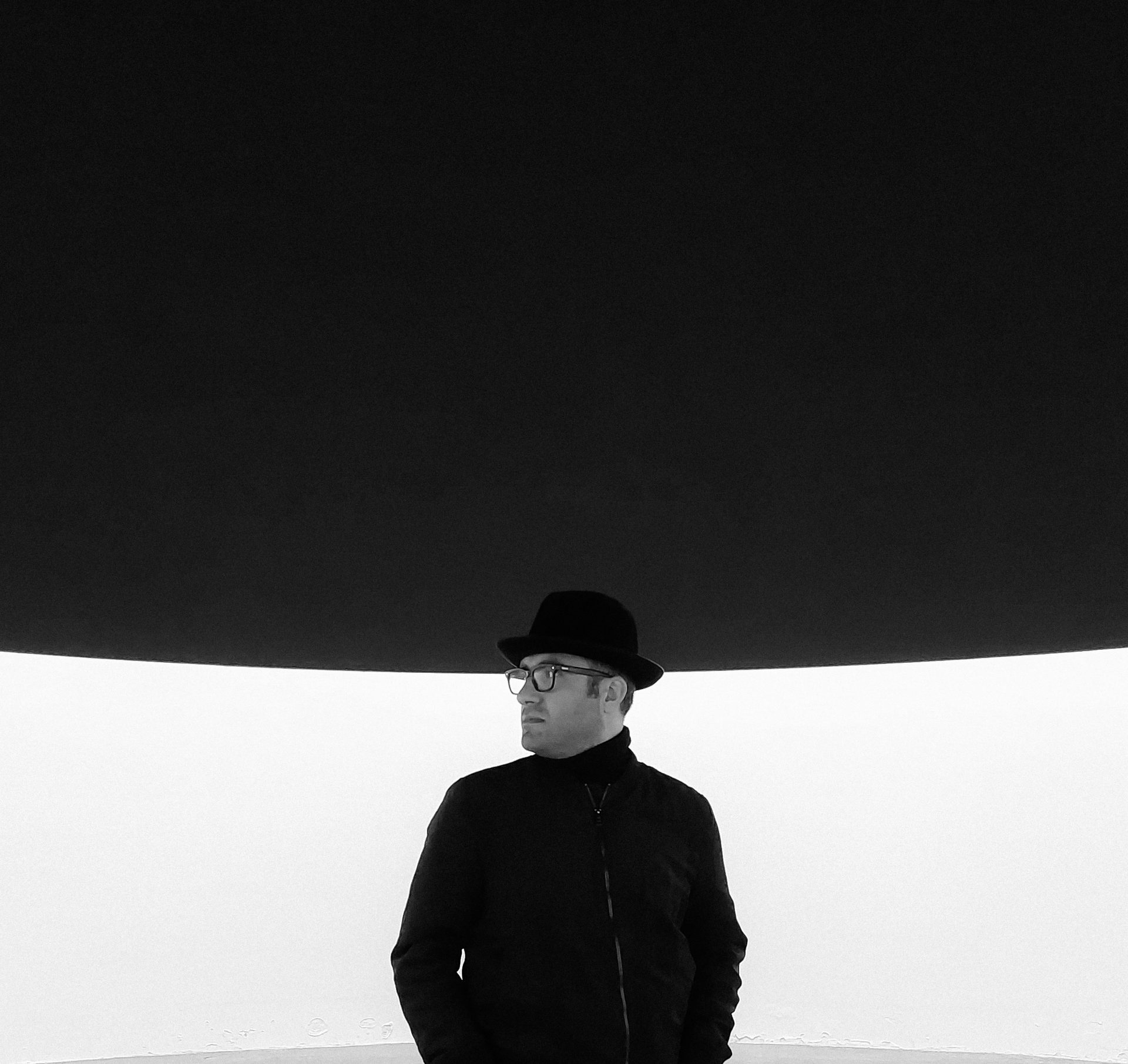
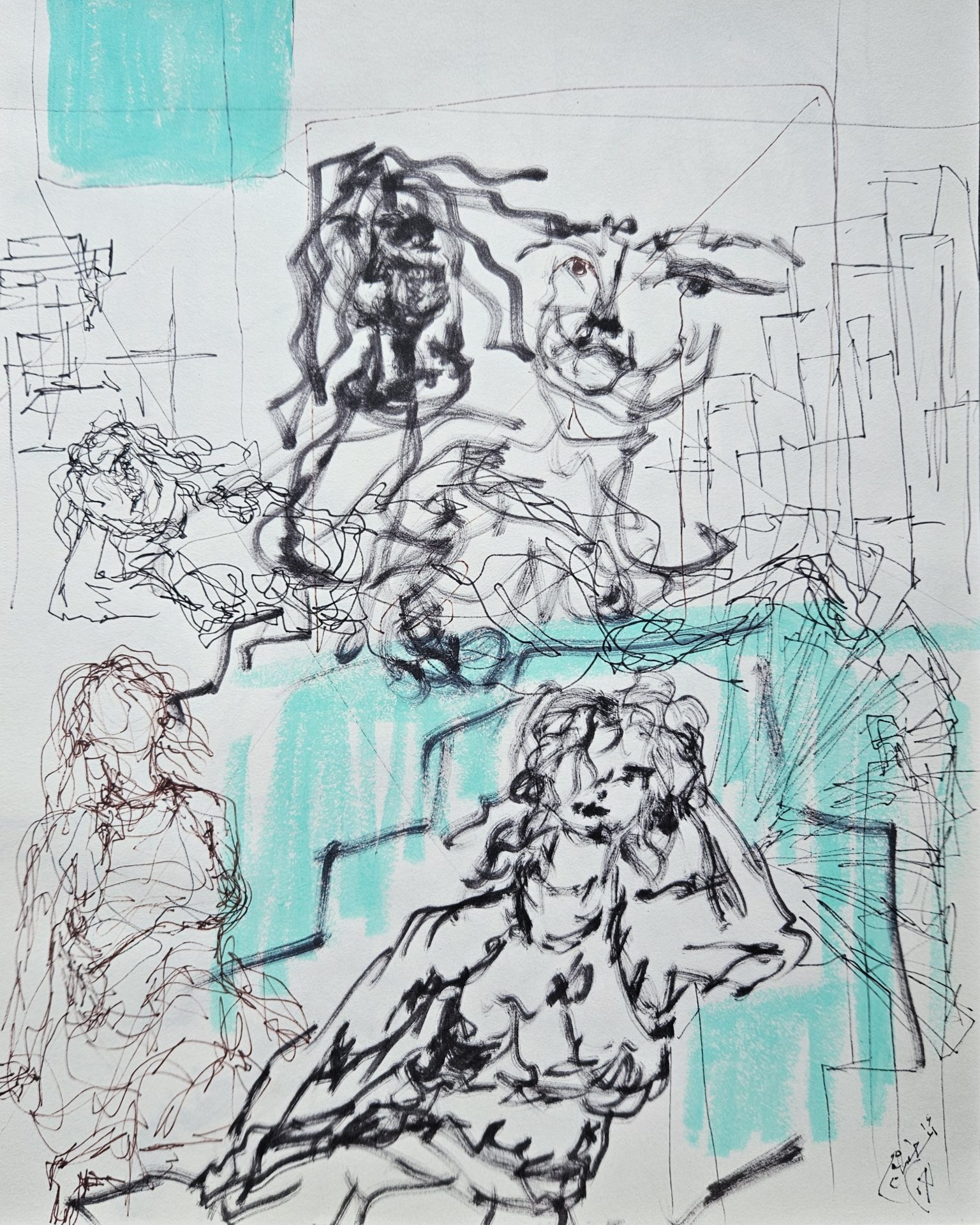
Dorottya Szonja Koltay graduated in 2020 from the painting and graphic arts program of the Hungarian University of Fine Arts. Her works are characterized by an interdisciplinary approach and a diversity of media. She regularly works in independent and repertory theatre productions; the experiences gained there also appear in her work with installation and spatial design, as well as in her use of performative and community-based theatre methods.

Starting from a personal perspective, she examines the workings of collective memory and intergenerational narratives, with a particular focus on vulnerability, the phenomenon of aggression, and absurdity. Her works are characterized by the use of participatory performative methods and the presence of collective creation. Since 2024, she has been organizing public-space performances with the collective Téglakar. Two of her works were presented at the 2025 OFF-Biennale.In 2025, she received the Kassák Award, which granted her the opportunity to exhibit at the Kassák Museum. The exhibition presented there, Brick Studies: Collapsed by Evening, Rebuilt by Morning, received the AICA Award in 2026 in the category of “Best Solo Exhibition.”

Ftg 7902 (1)

Ftg 7964
The workshop is an accompanying event of Border Situations, the Budapest exhibition of the LEAP – LEgAcy in Progress: (Re)Constructing European Narratives and (De)colonising Discourses project.
The event is co-funded by the European Union’s CERV program.

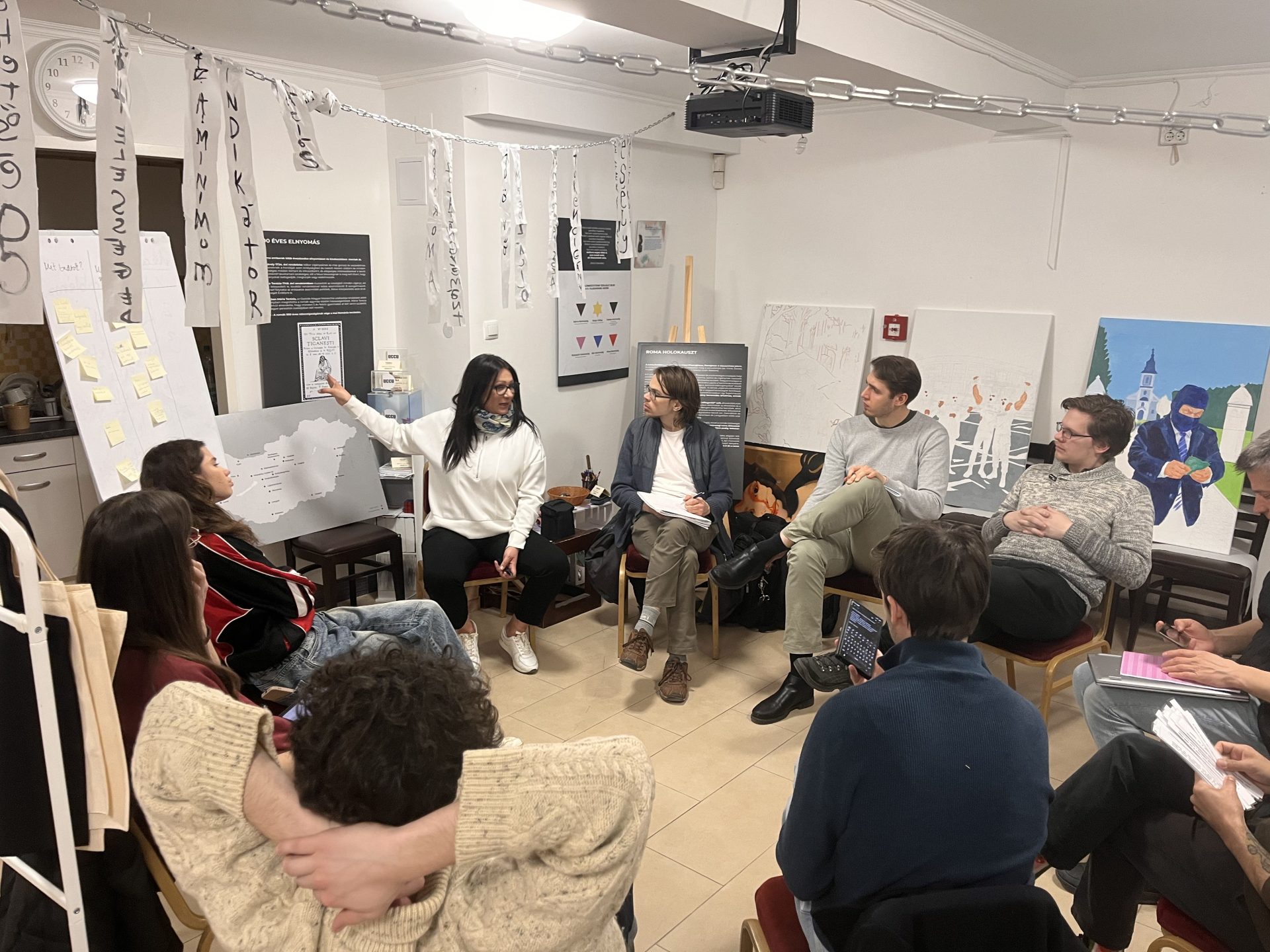
UccU x Border Situations – Roma Identity and History

The program is an accompanying event of the Border Situations exhibition, organized in collaboration with the Uccu Foundation. Its focus is Roma identity and history, as well as the social issues that also appear in the exhibition.

During the event, participants are invited to take part in collective reflection, knowledge sharing and the exchange of experiences. The discussion offers an opportunity to look together at historical and contemporary social situations affecting Roma communities, and to connect with the issues explored by the exhibition through the themes of exclusion, visibility, institutional structures and inequalities.

677784140 1442949761204388 1083120561351094047 N

The aim of the program is to create an open and attentive space for dialogue. It does not offer ready-made answers, but invites shared reflection on how the experiences of the past and present shape the way we look at one another and at social relations.

During the program, the Border Situations exhibition will also be open to visitors.

Event: https://fb.me/e/aI5C249Ao

📅 16 April 2026, 17:00–18:30
📍 Charbon Art Café
1085 Budapest, Mária u. 1.

👥 Participation requires registration. You can register by filling out the form below:
https://forms.gle/BMXm9CJ677Jt1m9U8

The Uccu Foundation has been working since 2010 to bring Roma and non-Roma people closer to one another through personal encounters and dialogue. Their programs strengthen mutual understanding and support the possibility of a more cooperative society by helping to dismantle stereotypes.

🔵 Border Situations is the Budapest exhibition of the LEAP – LEgAcy in Progress: (Re)Constructing European Narratives and (De)colonising Discourses project.

🔵 The exhibition is co-funded by the European Union’s CERV program.

LEAP-The Price of Social Advancement: Mobility and Roundtable discussion with Emőke Both, Anna Fabricius and Zoltán Ginelli.

The panel discussion takes place as an accompanying program of the Border Situations exhibition and explores the personal, social and cultural consequences of the promise of upward mobility. The conversation examines who has access to this possibility, what expectations one must conform to in order to achieve it, and what visible or hidden losses it entails.
Through past and present experiences of Budapest and Hungary, the discussion approaches how all this is connected to the broader order of coloniality. How are the desire to align with the West, a peripheral self-image, self-subordinating reflexes and everyday practices of social exclusion intertwined? What does this mean in a context where progress often becomes imaginable only through adaptation to the expectations of others?
Panel participants: Anna Fabricius, Emőke Both, Zoltán Ginelli, Barna Petrányi (moderator)

🔵 Anna Fabricius, one of the exhibiting artists, joins the conversation through her project Home is Where Work is. Her work sensitively highlights the work-related, emotional and livelihood sacrifices that mobility entails, especially when the relationship between home, work and self-determination is fundamentally transformed.

🔵 Emőke Both, president of Bagázs, opens up the topic from the perspective of social inequalities in Hungary, the everyday forms of exclusion and institutional approaches. Her perspective brings us closer to understanding why the possibility of social advancement is not equally available to everyone, and what conditions, expectations and relations shape the opportunity to move forward.

🔵 Zoltán Ginelli, geographer and global historian at the Institute of Oriental Studies of the Slovak Academy of Sciences, joins the conversation from the perspective of the legacy of colonialism and its still-present, often overlooked consequences. In his academic work, he examines how Hungary has been connected to the broader history of colonialism, and how the meaning of this connection has changed in recent years with the country’s new forms of international embeddedness.

🔵 The discussion will be moderated by Barna Petrányi, managing director of the non-profit organization Pro Progressione, who has worked for many years on cultural and social projects that bring together different social issues, communities and perspectives.
Rather than relying on generalized tropes surrounding mobility and colonization, the discussion invites us to think in a more nuanced way about the historical legacies and present-day power relations that shape who can move forward in society, how, and at what cost. At the same time, it also seeks a language for speaking about these questions within the space of a Budapest exhibition, in a way that allows global hierarchies and local experiences to illuminate one another.

Border Situations is the Budapest exhibition of the LEAP – LEgAcy in Progress: (Re)Constructing European Narratives and (De)colonising Discourses project.

The exhibition is co-funded by the European Union’s CERV program.

Meet the TIDAL ArtS Residency Winners

Out of more than 600 international applications, four projects were awarded €50,000 each, representing key European water regions.

The selected Hungarian residency, HUSO HUSO, will be hosted by the Árpád Museum in Ráckeve.

Adam Hudec is a researcher, artist/architect, and environmental activist working at the intersection of art, spatial research, and natural sciences. He is co-founder of Dusts Institute, a Vienna-based platform exploring environmental sensing, material agency, and participatory practice.

Monika Pascoe Mikyšková is a visual artist. Her work has long been positioned at the intersection of painting, drawing, object, and spatial installation. She systematically develops themes of the relationship between humans and nature, memory, and time, with a particular focus on plant structures, ethnobotany, and material processes.

Their residency project, HUSO HUSO, engages with the Danube’s transformed aquatic ecosystem as both a living environment and a layered cultural archive. It addresses the ecological consequences of industrialisation, dam construction, and river regulation, which have disrupted habitats, oxygen flows, and species migration.

Focusing on the extinction of the beluga sturgeon, once central to the river’s biodiversity and cultural identity, the project reflects on the loss of interconnected ecological and human systems. Drawing on ancient practices, Danube sediments will be processed into natural pigments, each encoding the river’s chemical and environmental conditions.

Historical artefacts from the hosting institution, Árpád Museum, further anchor the work in local traditions and livelihoods once tied to the river.

The project is developed collaboratively with local communities and scientists through workshops in Ráckeve, where participants will create ceramic mosaic tiles by painting with river sediments. Scientific partners contribute ecological analysis, merging research with artistic practice.

The final exhibition will present the outcomes of the research, community workshops, and a sculpture of the sturgeon, symbolising both loss and renewed connection.

Each residency artist or collective will receive a financial grant of €50,000 to develop and deliver their project for a year, engaging local communities in creative activities connected to the Mission’s themes of ocean and water restoration.

The activities and results of each residency project will be presented publicly in their respective region from Spring 2027.

👉 Find all artists and their full project descriptions at: https://tidalarts.eu/tidal-arts-announces-four-winning-artistic-projects-for-residency-programme/

This project is funded by the European Union under Horizon Europe research and innovation programme.

“It’s hard to strike a balance between continuing to talk about music and speaking out on socially important issues.”

– What was it about the Mind the Gap call for submissions that made you want to participate in the project as a creator?
The truth is, I often deliberately take on tasks that fall outside my comfort zone. It’s often the very things that initially seem confusing or unfamiliar that end up captivating me. The creative methodology of Mind the Gap, where I only know the next 30 seconds and have no overview of the entire piece, was completely at odds with the way I usually work.
I usually outline the structure of the entire piece first and then start filling in the details. Here, I didn’t have that option: I could only build a logic within my own section while not knowing how it would fit into the whole. This was particularly frustrating, but that’s exactly why I felt I had to try it.

– Can this be considered collective composition? Have you had any similar experiences before?
In the case of Mind the Gap, I’d talk more about inspiration or reflection than classic collective composition. I’m currently working on a project where we do create collectively: there, the roles are clearly divided, with each person responsible for a specific part.
For me, breaking a project down into individual tasks has always been difficult because I like to have an overview of everything. At the same time, in other fields (such as film), it’s natural for multiple people to work together, and that’s never been a problem there. It’s interesting how much more strongly I feel attached to owning the “whole” when it comes to composing music.

– How inspiring is it to have to connect with a specific task rather than creating music out of your own inner motivation?
In this case, it was particularly inspiring. I’ve worked this way before, where I had to respond to someone else’s material. For example, I once started with an analysis of a play by István Vántus, and that led to a piece of my own that took a completely different stylistic direction, yet retained something of the original.
In my first year, I had to write a piece based on a quote by Pál Járdányi. The idea of a mandatory quote bothered me so much that I eventually “sneaked in” a Bartók quote as well. Only one elderly lady in the audience noticed; she came up to me and said, “I heard you quoted Bartók.” That felt incredibly good.
In situations like this, the given framework often provokes something from which a truly personal voice emerges.

– How did your algorithmic and mathematical thinking come through in this piece?
I usually think in terms of fractal-like, multi-layered, repetitive organizing principles: the form is reflected in the smaller units, in the selection of pitches and rhythms. This time, however, I felt that if I didn’t have a clear view of the entire form, then my approach had to reflect the nature of the project. That’s why I consciously chose a more intuitive, freer method.
I couldn’t do without algorithms entirely (I ended up sneaking some into the chord construction after all), but overall, I tried to move away from my usual techniques.

– As a female composer, do you encounter specific expectations in the industry?
I never experienced anything like that in the Netherlands; perhaps that’s why I stayed there. In Hungary, however, I had a defining experience when, instead of professional criticism, I received personal, sexist remarks. This “criticism” plunged me into a creative crisis that lasted for months. For a while, I couldn’t write a single note. Eventually, the people around me—those whose professional opinions I value—helped me regain my self-confidence. At the same time, this experience also contributed to my decision not to return to Hungary.

– How do you feel about the fact that gender issues are receiving increasing attention in art projects today?
I have mixed feelings about this. In Hungary, it’s certainly justified to talk about these issues because they address real problems. In Western Europe, however, I sometimes feel that certain topics (not just gender issues) are becoming a trend in grant applications, and they distract attention from the music itself.
For me, the least interesting piece of information about a composer is their gender. It’s much more important how they think and what they stand for. At the same time, there are situations (such as harassment cases) where one cannot remain silent. It’s hard to strike a balance between continuing to talk about music and speaking out on socially important issues.

– As a teacher, how do you view the gender balance and generational shifts in the profession?
When I was attending the Liszt Ferenc Academy of Music in Budapest, women made up about 15–20% of the composition department. In Pécs, the number of female students seems to be growing now, but there are still more male applicants. It was an interesting realization for me when I first had a female mentor at the Royal Conservatoire The Hague, Mayke Nas. Previously, my role models were almost exclusively men, and I never questioned that at the time. When I realized that, for the first time, I had a female professional role model whom I looked up to, it was a liberating experience.
As for my generation, I hope that rivalry is less typical of us. I can genuinely be happy when a colleague wins an award. I don’t feel like it takes anything away from me. I’m actually glad when talented people receive support: ultimately, this is a shared concern for all of us.


Virág Anna Virág (1999) is a Hungarian composer from Vojvodina currently pursuing her Master’s degree at the Royal Conservatoire The Hague. She previously studied at the Liszt Academy of Music in Budapest and at the Institute of Sonology in The Hague.

Her work often explores the intersection between music and mathematical thinking, with a particular focus on fractals and self-similarity.
Besides concert music, she explores filmmaking, creating short films that reflect her compositional approach.
Her compositions are regularly performed in Hungary and across Europe.

In 2020, she received a prize at the Müpa Composition Competition for her piece Therapy of a Bipolar Bear. In 2024, the Residentie Orkest premiered her work Birds Aren’t Real as part of the One Minute Symphony project.

She currently teaches at the University of Pécs Faculty of Music and Visual Arts.


Virág Anna Virág’s official website: https://www.viragannavirag.com/blank-2

Find all artists and their introductions at: https://pianoandco.fr/


En Co Funded By The Eu Pos (1)

Funded by the European Union. Views and opinions expressed are however those of the author(s) only and do not necessarily reflect those of the European Union or the European Education and Culture Executive Agency (EACEA). Neither the European Union nor EACEA can be held responsible for them.

LEAP-Mansour Forouzesh: Transforming the Ordinary into Cinematic Vision | Documentary workshop in the Border Situations exhibitions in the Border Situations exhibition

📅 20th of April 2026, Monday 10 AM-2 PM (4 hours)
📍 Charbon Art Café (1085 Budapest, Mária u. 1.)

👥 Participation requires completing the form below. Number of participants: max. 10 people
Registration link : https://forms.gle/CFXcdhPmwBtjw7em6

Leap Dsc08551 Másolat

Transforming the Ordinary into Cinematic Vision is a hands-on documentary workshop led by Mansour Forouzesh, one of the artists of the Border Situations exhibition and realized as part of the exhibition program. It introduces participants to the fundamentals of storytelling through real-life observation. The essence of all dramatic forms lies in storytelling. Narrative plays a central role not only in fiction and documentary filmmaking but also in how we communicate personal experiences and ideas in everyday life. This workshop explores how narrative operates within daily reality and how it can be shaped into meaningful cinematic expression. Designed for participants from diverse backgrounds, the workshop encourages individuals to engage with their own lived experiences and transform them into short documentary films. Through guided exercises, screenings, and discussions, participants will experiment with different approaches to storytelling and develop their own narrative voice. A key component of the workshop is the screening and discussion of a documentary by Mansour Forouzesh, focusing on Iranian asylum seekers living in a camp in Serbia. This provides both a conceptual and practical framework for understanding realism, presence, and narrative construction in documentary filmmaking. Using only mobile phones and accessible tools, participants will move from observation to filming, and from raw footage to a structured short documentary. The workshop emphasizes attention, presence, and narrative clarity over technical complexity.

🔵 Learning Objectives of the Workshop
By the end of the workshop, participants will be able to:
• Develop a cinematic way of observing everyday reality
• Understand fundamental principles of storytelling and narrative structure
• Apply basic frameworks of idea development in documentary filmmaking
• Translate personal experiences into visual narratives
• Work with real locations, non-actors, and unscripted situations
• Analyse short documentaries from both formal and narrative perspectives
• Produce and edit a short documentary using minimal equipment

🔵Session Breakdown
Session 1 (105 minutes)

Part I – Screening & Discussion (Approx. 30–45 min)
Screening part of Lost Whispers in the Distance
Q&A and discussion (themes: realism, presence,narrative, ethics)

Part II – Introduction to Narrative (Approx. 30–45 min)
Narrative structure: how cinematic stories are constructed
Examples from documentary practice

Practical Exercise (Approx. 30–
45 min)
Guided observation and filming of everyday moments
Introduction to framing, shot types, and composition
Assignment: Begin filming footage for your short documentary

Break (30 minutes)
Session 2 (105 minutes)

Part III – Making a Documentary (Approx. 45 min)
How to approach real-life subjects
Working with available spaces, people, and situations

Part IV – Editing & Feedback (Approx. 60 min)
Introduction to mobile editing tools
Hands-on rough-cut creation
Individual feedback and guidance
Collective screening and reflection

🔵Additional Required Viewing
Workshop Documentary
• Film: Lost Whispers in the Distance
https://youtu.be/SUsW7Ju7Z2A?si=p-gLML15XdV4Q17M
• About the film:
https://mansourforouzesh.com/…/lost-whispers-in-the…/
Border Situations Exhibitions event: https://fb.me/e/7thJkdA8E


🔵Border Situations is the Budapest exhibition of the LEAP – LEgAcy in Progress: (Re)Constructing European Narratives and (De)colonising Discourses project.

🔵The exhibition is open to the public only during the accompanying events and by appointment.

🔵The exhibition is co-funded by the European Union’s CERV program.

BORDER SITUATIONS EXHIBITION |Parallel Selves | Guided meditative drawing with Sarah Diefallah

20251231 200713

📅 2026. április 18. 14:00–16:00

📍 Charbon Art Café (1085 Budapest, Mária u. 1.)

✨ No experience needed

👥 Maximum 8 participants – register here: https://forms.gle/nCB4ato6Mq21b7nw9

Event: https://fb.me/e/4pvQ3LQsy


Leap Dsc 6417 Másolat

Schedule:

14:00 – 14:10 Doors open, settling in

14: 10 – 14:30 Time to explore the exhibition and visualization exercise

14:30 – 14:45 Meditative Walk

14:45 – 15:30 Drawing session at Charbon Art Café/Bar (art materials will be provided)

15: 30 – 16:00 Sharing circle and closing


The exhibition is co-funded by the European Union’s CERV program.

LEAP-BORDER SITUATONS Opening with Zahra Fuladvand “Between Homes”performans

“Nine years ago, I moved from Iran to Budapest, and since then I have been moving between two cultures, searching for a place where I can be both present and rooted at the same time. The veiled figure in the work is a metaphor for myself: the veil marks a body that carries its own history, language, and memories into a new social environment, where the experience of distance and unfamiliarity is still present.”

Leap


At the beginning of the performance, two performers stand back-to-back, their bodies touching, as if they formed a single figure looking in two directions. One performer wears a veil and holds a large mirror toward the audience. The other stands behind her with closed eyes, holding a pair of scissors and a bundle of grass whose roots hang upward in the air. Together, they move slowly in a circular motion. As the mirror turns toward the audience, it reflects their faces back to them. The mirror becomes a site of confrontation and awareness: who is watching whom, and how do we look at those who seem different from us? The space is filled with bundles of grass hanging from the ceiling, their roots suspended in the air, surrounding both the performers and the audience. These inverted roots evoke the fragile condition of belonging: being torn away from an earlier environment, and the difficulty of taking hold in a new place. Again and again, the artist attempts to cut the grass; this gesture makes visible both uncertainty and the search for stability.

Event: https://www.facebook.com/events/797642310060059

📅 2o26.o4.o7, 19.oo
📍 1085 Budapest, Mária u. 1

🔵Határhelyzetek is the Budapest exhibition of the LEAP – LEgAcy in Progress: (Re)Constructing European Narratives and (De)colonising Discourses project.

🔵The exhibition is open to the public only during the accompanying events and by appointment.

🔵The exhibition is co-funded by the European Union’s CERV program

Meet the Team Shaping the Academy for Actors of Social Change 2026

THE ARTISTIC DIRECTOR OF THE ACADEMY

123338675 10214678923887109 8555509091419579566 N 2

Krisztina Scholtz is a trainer and psychodynamic movement and dance therapist. For more than ten years, she has been facilitating creative processes focused on self-awareness, primarily using social theatre (forum theatre), movement-based, and visual artistic methods – including street art and art therapy tools. In her work, these approaches support collective reflection, self-expression, and engagement with social issues.

Her practice brings together experiential learning, a body-based approach, participation, and social awareness, through which she accompanies groups.

As a trainer, she works with non-formal methods and considers it important to co-create a safe and accepting environment, where everyone can connect to themselves and others at their own pace. She enjoys combining different forms of creative expression so that participants can reflect on themselves and on the topics explored in ways that resonate with their own needs and modes of expression.


OUR FACILITATORS

Olga Irimiás

Olga Irimiás works at the intersection of social inclusion, arts-based engagement, and personal development. Over the past 15 years, she has coordinated international projects, community initiatives, and educational programs focusing on migration, intercultural dialogue, and participatory empowerment.

She believes that art can create spaces where people feel seen, heard, and connected across social and cultural boundaries. In her work, she combines community-based methods, facilitation, and creative approaches to support participation, critical reflection, and collective action. She has worked with migrant communities, young people, civil society organisations, and international partners in diverse multicultural contexts.

As a trainer, she aims to create collaborative and inspiring learning environments where participants can explore how artistic activism can become a tool for social change, solidarity, and democratic participation.

Walter Katalin2

Katalin Walter is a psychodynamic movement and dance therapist based in Hungary, with over eleven years of professional experience. She is also an analytically oriented theatre therapist and a guest lecturer in the training programe of the Hungarian Association for Movement and Dance Therapy (HAMDT). Alongside her therapeutic work, she serves as deputy delegate of HAMDT within the European Association for Dance Movement Therapy, supporting the visibility and professional recognition of dance movement therapy at both national and European levels.

Her work focuses primarily on long-term therapeutic processes with children and adults. Drawing on embodiment, dramatic play, and creative expression, she supports self-exploration, emotional awareness, and the development of a more authentic connection to oneself and others. She also works with disadvantaged communities and people from minority backgrounds. She has experience working in residential care with adolescents, with people in recovery from addiction, with Roma minority teenagers, and in psychiatric settings with adolescents living with eating disorders.

As a trainer, she integrates elements of visible imprint, movement and visual creation into her practice.


On 14th of April from 17:00 CET, we held our online Open House. If you missed the event, you can find the recording of the event here.

If you’re interested in joining our Summer Academy in June, the full open call is available here:
https://proprogressione.com/en/news/open-call-for-artistic-activism-training-academy-for-actors-of-social-change-focusing-on-artivism-2026/

En Co Fundedbytheeu Rgb Pos

The Academy project is co-funded by Erasmus+ programme of the EU and Tempus Public Foundation.

Open House I. – Academy for Actors of Social Change Focusing on ARTIVISM 2026

On 14th of April from 17:00 CET, we held our online Open House. If you missed the event, you can find the recording of the event here.

This year’s Academy programme takes place in Leányfalu (Metropolitan Area Budapest), Hungary between 5 – 20 in June 2026.

Organizer: Pro Progressione (HU)
Artistic leader: Krisztina Scholtz (HU)

If you’re interested in joining our Summer Academy in June, the full open call is available here:
https://proprogressione.com/en/news/open-call-for-artistic-activism-training-academy-for-actors-of-social-change-focusing-on-artivism-2026/

Who can apply
Applicants must be based in EU Member States or third countries associated to the programme.
More information: https://erasmus-plus.ec.europa.eu/hu/programme-guide/part-a/eligible-countries

En Co Fundedbytheeu Rgb Pos
The Academy project is co-funded by Erasmus+ programme of the EU and Tempus Public Foundation.